Saffron Price in UK 2025 – Complete Update for Buyers & Businesses
Saffron remains one of the most coveted spices in the world, prized for its aroma, flavor, and health benefits. If you’re wondering about the saffron price in the UK, this …
Spain, alongside Iran, is recognized as one of the oldest cultural centers of saffron production and consumption. While Iran dominates global saffron cultivation, Spain has positioned itself as a leading importer, packager, and exporter, creating a high-value market through strong branding and global marketing strategies.
Each year, Spain imports over 40 metric tons of saffron, primarily from Iran, to fulfill both local and international demand. Much of this saffron is rebranded and re-exported under the label of “Spanish saffron,” enabling Spanish companies to expand their market reach while capturing a significant portion of global value, despite not being the primary cultivator.
Given this complex supply dynamic, understanding the saffron price in Spain has become essential for buyers, importers, and even producers seeking to navigate this multi-layered trade system. In this guide, we’ll break down the current prices, factors influencing the market, and provide guidance on making informed decisions when sourcing saffron in 2025.
Understanding the saffron price in Spain for bulk transactions is essential for importers, wholesalers, and processors targeting the European market.
|
Type of Saffron |
Price per Gram (€) | Bulk Price (CIF Spain)
Price per Kilo (€) |
Notes |
|
All-Red Saffron |
€2.4 – €2.9 | €1365– €1390 | Used for high-end culinary and cosmetic purposes |
|
Toasted Pooshali (Pressed Filaments) |
€2.1 – €2.4 |
€1125– €1145 |
Flattened and evenly dried threads, preferred in Spanish trade |
| Saffron coupe (Sargol Saffron) | €2.3 – €2.6 | €1195 – €1215 |
Used for Retail & consumer packages |
💡 Prices vary based on origin, harvest time, packaging, and certifications. Export pricing may differ from domestic.
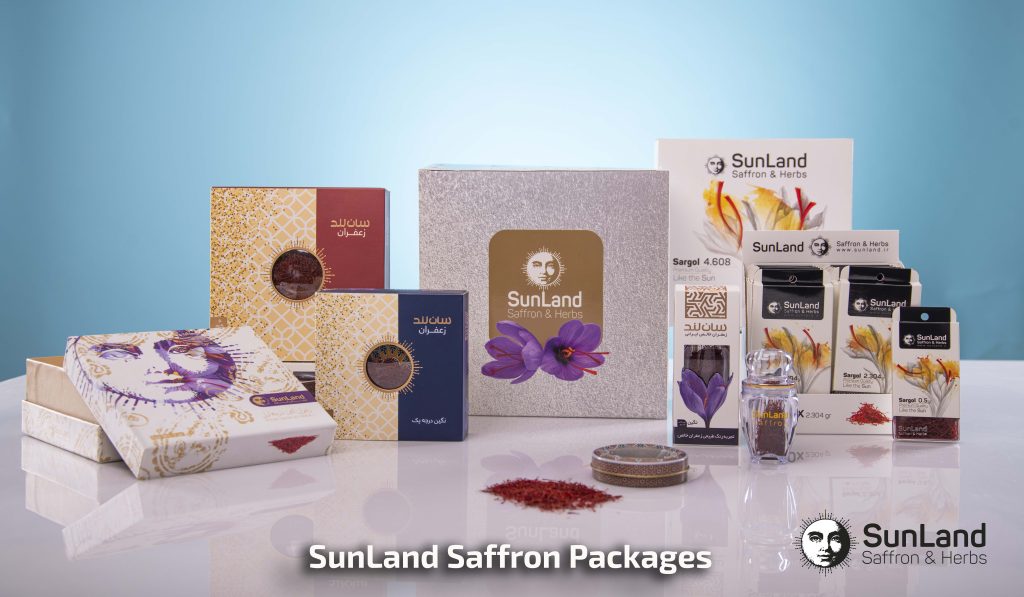
Retail packaging significantly increases the saffron price in Spain, especially when sold under luxury Spanish branding.
|
Packaging Format |
Average Price (€) per Gram |
Notes |
|
1g Premium Jar |
€8 – €12 | Found in gourmet shops and online stores |
|
2g – 5g Packs |
€7 – €10 |
Popular among restaurants and small-scale users |
| Saffron Powder (Grade 1–3) | €3 – €8 |
Price depends on color strength and purity |
🧠 Why are retail prices higher?
Retail saffron benefits from branding, packaging, and localized marketing, which significantly increases its per-gram value compared to bulk formats.
📦 A kilo of saffron sold in retail units may generate 2–3x more revenue than bulk saffron, demonstrating the power of packaging and perception.
The Saffron price in Spain is influenced by several dynamic factors:
The Spanish saffron market is uniquely shaped by cultural preferences and industry-specific needs. Unlike some regions that favor dense, uniform threads like Super Negin, buyers in Spain typically prioritize more natural-looking filaments and saffron products that align with traditional culinary applications and processing methods.
Here are the most in-demand types of saffron in Spain:
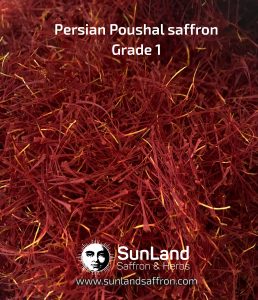
Machine-dried filaments that appear flat, smooth, and uniform. Widely accepted for both retail and bulk markets.
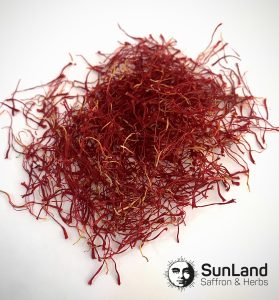
Air-dried filaments that retain their original, slightly curled shape. Spanish buyers value the visual authenticity and aroma of this type.
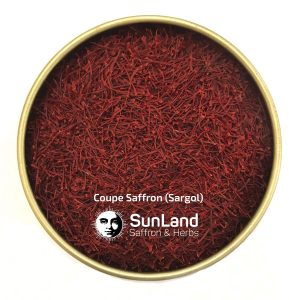
The stigma tip only bright red, strong in color, and widely used in retail packs and gastronomy.
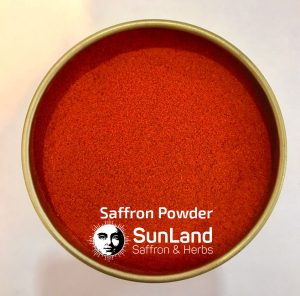
Available in Grade 1 to 3, used across food manufacturing, seasoning, and supplement industries.
Super Negin and Bunch saffron are less preferred due to the market’s emphasis on traditional drying and natural-looking textures.
To explore the characteristics and grading standards of Coupe, Toasted Poushali, and other Persian saffron types, visit our full guide on Types of Iranian Saffron.
Spain also plays a re-export role in the global saffron trade. Some companies import high-quality saffron, repackage it, and distribute it across the USA, EU or even back to Asia and the Middle East.
For those looking to source saffron directly at origin, working with certified exporters based in production zones can offer better margins and traceability.
For more background on the identity, history, and labeling of Spanish saffron, see our in-depth article on Spanish Saffron.
Buying saffron in Spain requires a thoughtful approach, especially with the wide variety of origins, quality grades, and price points available in the market.
For retail buyers, saffron is available in small glass jars or paper sachets at gourmet shops, specialty spice stores, or reputable online platforms. Make sure the packaging is sealed, properly labeled, and includes a certificate of analysis.
For bulk buyers or businesses, the process involves direct communication with distributors or exporters. It’s essential to verify:
Buyers seeking better margins and quality often consider sourcing directly from production countries, especially when large volumes or specific grades are required.
SunLand Saffron proudly offers premium-grade Iranian saffron to buyers across Spain, whether you’re a wholesaler, a food manufacturer, or a cosmetics brand seeking natural actives.
Our saffron meets all international standards for purity, color, and aroma, and is available in a wide range of packaging formats. From retail-ready jars to bulk vacuum packs, SunLand ensures consistent quality and competitive pricing.
We are already supporting clients in Spain who prioritize:
📩 Looking to import saffron directly to Spain?
Contact us to receive a tailored quote and explore samples from the new harvest.
| Country of Origin | Base Import Tariff | Notes |
| Iran | ~8% – 10% | Subject to standard EU external tariffs and additional clearance requirements |
| Afghanistan | ~0% | Benefits from special EU trade preferences (e.g., GSP+) |
🔍 Insight:
While Iranian saffron is globally recognized for its superior quality, standard EU tariffs and regulatory procedures may lead some importers to consider alternative sourcing channels. However, maintaining full traceability and certified origin remains essential for brands seeking long-term credibility and regulatory compliance.
In recent years, a significant volume of Iranian saffron—estimated at over 40 metric tons annually—has been illicitly routed through Afghanistan, despite official bans on saffron imports by Afghan authorities. This unofficial channel enables Afghan exporters to fulfill large international orders and present inflated national production statistics, often reporting 60–70 tons per year while actual domestic output is estimated at no more than 20 tons.
This strategy allows Afghan saffron to benefit from preferential trade access and near-zero tariffs in key markets such as the EU, India, Saudi Arabia, and the United States. However, the widespread rebranding of Iranian saffron under Afghan origin raises serious concerns about transparency, origin authentication, and fair trade representation in global markets.
📌 Notably, many Iranian exporters refrain from participating in these indirect channels, even in the face of high tariffs and restrictive import policies—favoring integrity, legality, and long-term brand positioning.
For importers and sourcing departments seeking official information on custom duties for saffron, the European Commission maintains an open-access tariff database known as TARIC.
🔗 Access the official database here:
👉 EU TARIC Customs Database
For businesses seeking a reliable supply of high-quality saffron, understanding the import process and working directly with certified producers is essential.
Whether you’re a Spanish importer, EU-based food or supplement manufacturer, or a new entrant looking to build a saffron portfolio, sourcing directly from Iran offers several advantages:
Contact our export team today to:
👉 Reach out via [WhatsApp] or [Email] — multilingual support available.
The Spanish market continues to show high demand for both local and imported saffron. With rising global prices, smart buyers are turning to direct-from-origin solutions that combine competitive pricing, certifications, and flexible packaging. As the saffron price in Spain continues to reflect global market shifts, smart sourcing strategies become more important than ever.
Whether you’re a culinary distributor, supplement formulator, or cosmetics manufacturer, sourcing saffron at the right price in 2025 requires insight, planning, and trusted partners. As a result, keeping track of the evolving saffron price in Spain helps stakeholders at all levels make informed decisions.
Due to limited local production, high demand, and import costs, packaging, marketing and distribution processes expenses, saffron prices are relatively high, especially for premium grades.
While local varieties carry regional characteristics, many buyers prefer imported saffron for its higher crocin levels and competitive pricing.
The saffron price in Spain per gram ranges between €4 and €12, based on grade and packaging.
Yes. Most wholesalers offer minimum quantities starting from 1 to 20 kg, particularly to manufacturers or exporters.
Share this content:
 https://sunlandsaffron.com/saffron-price-in-spain/


Saffron remains one of the most coveted spices in the world, prized for its aroma, flavor, and health benefits. If you’re wondering about the saffron price in the UK, this …

What Parameters Determine Organic Saffron? Organic saffron is gaining popularity across the culinary, medical, and cosmetic industries as market trends shift toward healthier, more sustainable food sources. This article outlines …

Saffron Price in Canada: A Comprehensive Guide for 2025 Canada has seen a growing demand for premium-quality saffron, fueled by multicultural culinary traditions and rising awareness of its health benefits. …

Saffron, often called “Red Gold”, is one of the most valuable spices globally due to its labor-intensive harvesting process and numerous applications in culinary, medicinal, and cosmetic industries. The USA …