Attention Deficit Hyperactivity Disorder (ADHD) is a condition that affects millions of people worldwide, making their daily lives more challenging. In this post, we’ll explore how saffron—a spice renowned for its medicinal properties—might help alleviate ADHD symptoms. We’ll define ADHD, discuss saffron’s potential benefits, and examine research findings to provide a balanced perspective.
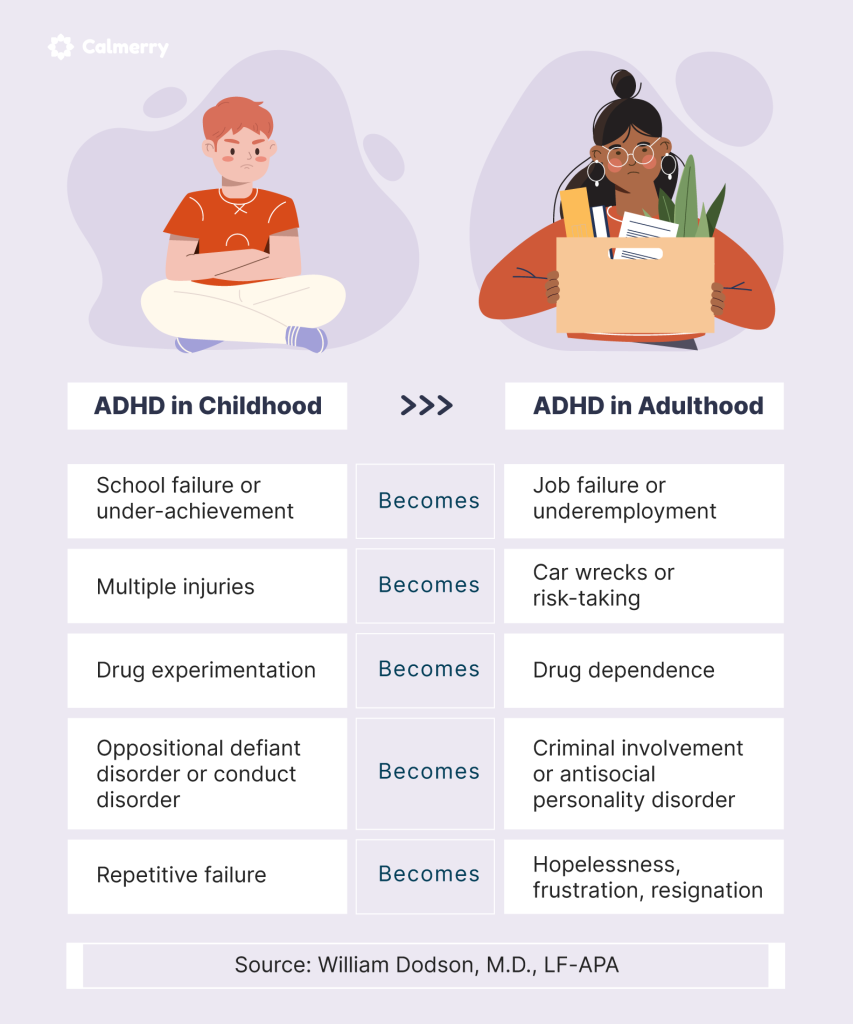
ADHD stands for Attention Deficit Hyperactivity Disorder, a neurodevelopmental disorder that often begins in childhood and may continue into adulthood. It is characterized by persistent symptoms of inattention, hyperactivity, and impulsivity that can interfere with daily functioning, relationships, and self-esteem.
Key Facts About ADHD:
Causes: A combination of genetic, environmental, and neurological factors.
Prevalence: ADHD affects around 5–10% of children and 2–5% of adults globally.
Treatment: Evidence-based approaches like behavioral therapy and medication are commonly used to manage symptoms.
While ADHD presents significant challenges, proper diagnosis and treatment enable individuals to lead productive and fulfilling lives. For more details about ADHD symptoms, causes, and treatments, visit the CDC’s ADHD page.
How Can Saffron Help with ADHD?
Saffron, often referred to as “red gold,” has been extensively studied for its numerous health benefits, including its role in managing mental health conditions like depression and anxiety. But how effective is it for ADHD?
Research Highlights:
Symptom Management:
Studies suggest that saffron may help reduce inattention and hyperactivity in ADHD patients. It acts similarly to methylphenidate (commonly known as Ritalin) in alleviating symptoms.
Combination Therapy:
A notable study compared two groups: one treated with Ritalin alone, and the other with Ritalin combined with saffron extract (1 mg crocin per capsule). After 8 weeks, the group receiving saffron demonstrated more significant symptom improvement.
Mental Health Support:
Saffron has shown potential benefits for related conditions like depression and anxiety, which are often comorbid with ADHD. However, further research is needed to establish saffron as a primary ADHD treatment. For further scientific insights, read this NIH publication on saffron’s health benefits.
Expert Advice:
While saffron shows promise as a complementary therapy, it should not replace standard ADHD treatments. Always consult a healthcare provider before incorporating saffron into your treatment plan.
How to Use Saffron for ADHD?
Incorporating saffron into your diet is simple and enjoyable. Here are a few tips:
Add to Beverages:
Mix saffron threads or powder into tea, milk, or juices for a flavorful health boost.
Cook with Saffron:
Enhance dishes like rice, stews, soups, desserts, and baked goods with a pinch of saffron.
Try Crocin-Based Supplements:
Recently, crocin-based supplements have been developed to help manage ADHD symptoms. Look for products containing 30 mg of saffron extract for best results.
Dosage Recommendation:
To benefit from saffron’s health properties, consume up to 30 mg daily—either through your meals or as supplements. Remember, moderation is key!
Conclusion: The Role of Saffron in ADHD Management
Saffron’s potential to alleviate ADHD symptoms is supported by research, though more large-scale studies are required. While it’s not a standalone treatment, saffron can complement existing therapies to enhance symptom relief and overall well-being.
If you’re looking for creative ways to add saffron to your diet, explore our Saffron Recipe Category for inspiration. By combining saffron’s natural properties with professional ADHD treatments, you can take a step toward better health and improved quality of life.
FAQ: Use of Saffron for ADHD
Can saffron cure ADHD completely?
No, saffron cannot cure ADHD completely. However, it can serve as a complementary therapy to reduce symptoms like inattention and hyperactivity. It should always be used alongside prescribed treatments like behavioral therapy or medication.
How does saffron help in managing ADHD symptoms?
Saffron contains active compounds like crocin, which have been shown to mimic the effects of ADHD medications such as methylphenidate (Ritalin). Studies indicate that saffron may help alleviate symptoms of inattention and hyperactivity when used as a supplement.
How much saffron should I consume daily for ADHD management?
Studies suggest that consuming up to 30 mg of saffron daily is beneficial for overall well-being and may help with ADHD symptoms. However, consult a healthcare provider before starting any new supplement regimen.
Spain, alongside Iran, is recognized as one of the oldest cultural centers of saffron production and consumption. While Iran dominates global saffron cultivation, Spain has positioned itself as a leading …
Saffron remains one of the most coveted spices in the world, prized for its aroma, flavor, and health benefits. If you’re wondering about the saffron price in the UK, this …
What Parameters Determine Organic Saffron? Organic saffron is gaining popularity across the culinary, medical, and cosmetic industries as market trends shift toward healthier, more sustainable food sources. This article outlines …
Saffron Price in Canada: A Comprehensive Guide for 2025 Canada has seen a growing demand for premium-quality saffron, fueled by multicultural culinary traditions and rising awareness of its health benefits. …